West City Farm · Willamette Valley, Oregon
Raw.
Pure.
Royal.
Honey as it should be — raw and real.
Small-Batch, Single-Origin
Featured Honey & Goods
Single-origin, lab-verified, and bottled with the same care we put into every hive.
Raw Honey
Raw Wildflower Honey
Light, floral, and endlessly complex — notes of lavender, clover, and late-summer blackberry.
Raw Honey
Buckwheat Honey
Dark, bold, and intensely mineral, with deep molasses and malt undertones.
Infused Honey
Queen Bee Hot Honey
Raw wildflower honey slow-infused with whole Calabrian chili peppers.
Condiment
Queen Bee Honey BBQ Sauce
Slow-crafted with a raw honey base, apple cider vinegar, and a house blend of smoked spices.
Home
Pure Beeswax Candles
Hand-poured from our own pure beeswax. Clean burn, zero toxins, and a warm honey-amber glow. Burns 30–40% longer than paraffin.
Merch
Queen Bee Sweatshirt
Heavyweight fleece, brushed interior. A classic crewneck featuring our Queen Bee mascot on the chest. Represent the hive in comfort.
From Hive to Jar
How It's Made
Every jar follows the same honest path — nothing added, nothing removed, nothing rushed.
01
Our Bees Forage
Our colonies range across the valley's wildflower meadows and clover fields
02
Comb is Built
Bees construct natural comb in our cedar top-bar hives without foundation
03
Honey Extracted
We extract by hand, preserving all natural enzymes and pollen content
04
Third-Party Lab
Every batch is sent to an independent lab to verify purity and composition
05
Bottled by Hand
Small-batch bottling in glass or BPA-free plastic, labeled with the batch number
06
Your Table
Shipped within 48 hours. Scan the QR code on your jar to read your batch report
Type 3 Amber Glass
Every jar decision gets weighed the same way: what actually protects the honey, and what actually breaks down afterward. Glass wins on both counts.
- Blocks UV light that degrades enzymes and flavor over time
- Fully recyclable, indefinitely — no downcycling
- Zero chemical leaching, even after years of storage
- Shipped in compostable kraft fill, not styrofoam peanuts
BPA-Free Squeeze (Limited Use)
Reserved for a handful of SKUs, never our default packaging — same pure honey inside, just in a format built for travel and gift bundles.
- Lighter for travel and gift bundles — we still offer 8oz squeeze
- Even "BPA-free" plastic isn't fully inert over long storage
- Can't be recycled indefinitely the way glass can
- Perfect for kitchens with children
Our Home
Born in Oregon
Wine Country
The Willamette Valley isn't just famous for Pinot Noir. It's one of North America's richest agricultural regions — home to world-class fruits, vegetables, artisanal producers, and now, Queenie-B Honey. Our bees forage across this extraordinary landscape, and you can taste it in every jar.
"When you taste Willamette Valley honey, you're tasting the landscape itself — every flower, every season, every mile of foraging range compressed into a single jar."
— Doug, West City Farm
What Makes Us Different
We don't keep bees the
conventional way
The Hive Design
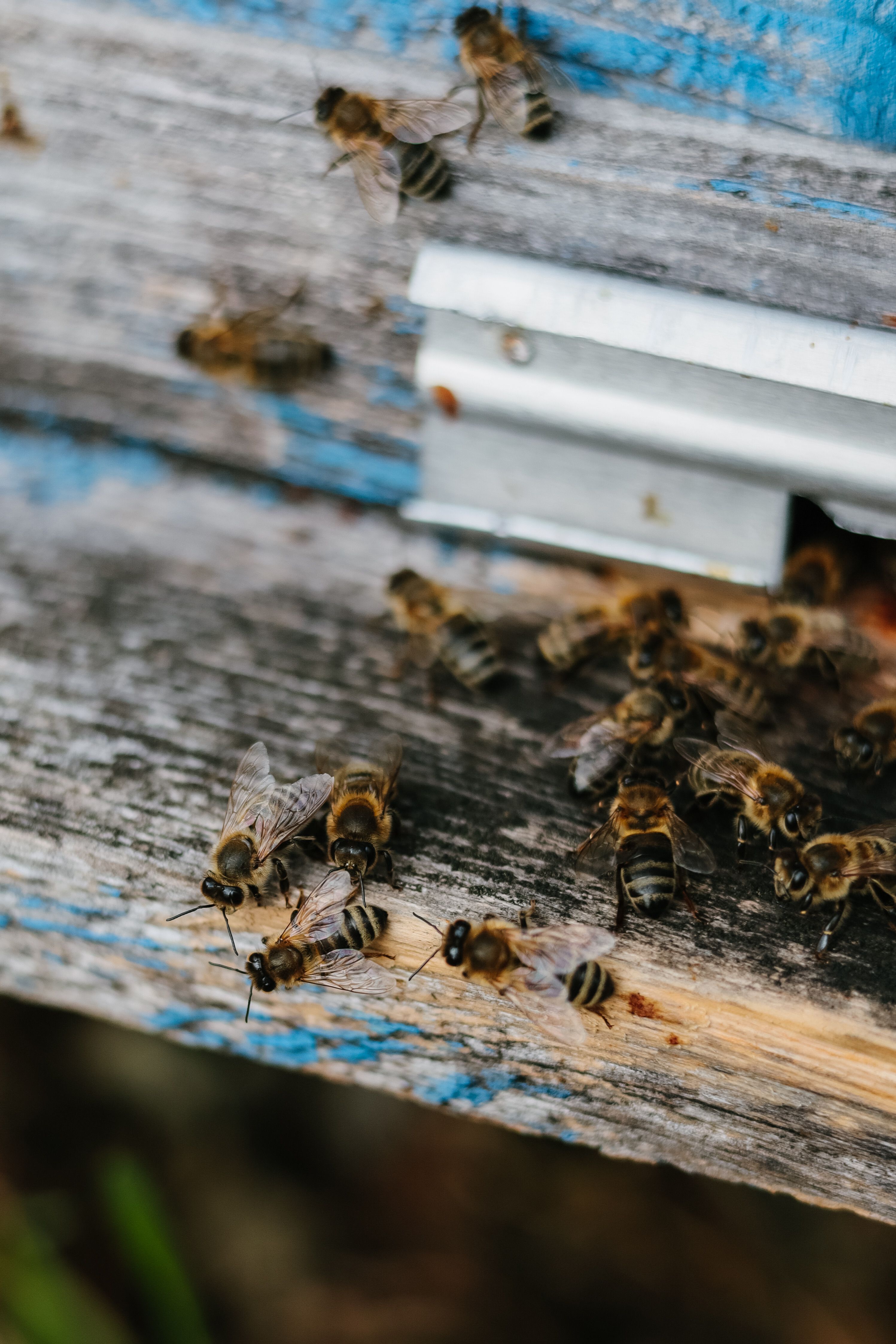
We Don't Use Standard Hives.
Most commercial honey comes from Langstroth box hives — vertical stacked boxes designed for maximum extraction efficiency. We use cedar-lined top-bar hives instead, a more natural design that allows bees to build comb exactly as they would in the wild.
Our cedar inserts also create a naturally inhospitable environment for varroa mites — one of the biggest threats to modern honeybee colonies — without chemical treatments.
- Natural comb construction, no plastic foundation
- Cedar terpenes naturally deter varroa mites
- Zero chemical treatments, ever
The Cedar Conversion
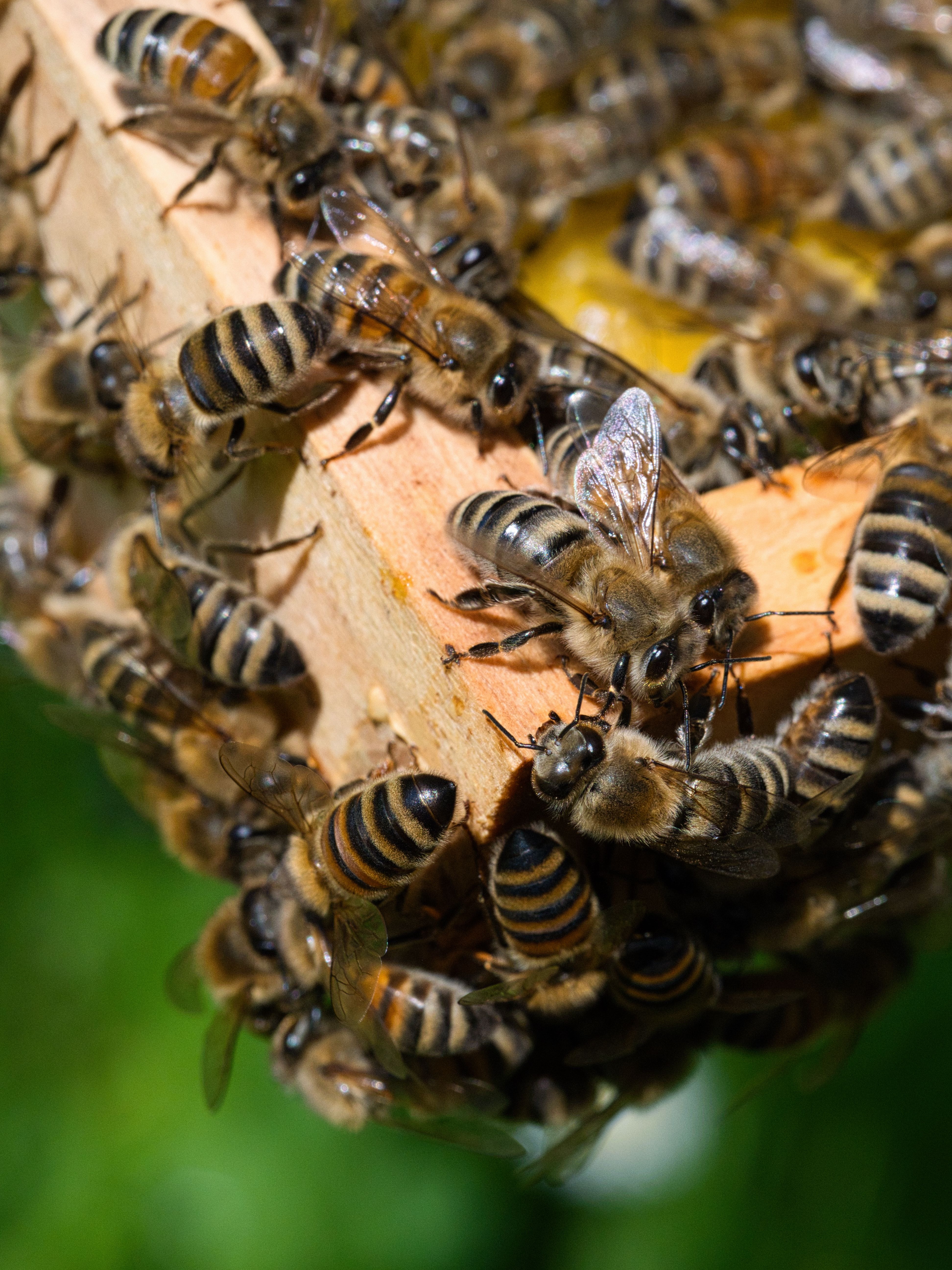
Calmer Bees, Slower Honey
Over three years, Doug converted all 1,000+ hives to cedar top-bar construction — 30–40% less honey per season than a standard Langstroth hive, but calmer colonies and zero chemical mite treatments in six years.
We believe bees deserve evidence-based care, not tradition for tradition's sake.
- 1,000+ hives converted to cedar top-bar construction
- Zero chemical mite treatments in six years
- 30–40% less honey per season, calmer colonies in return
The Environment
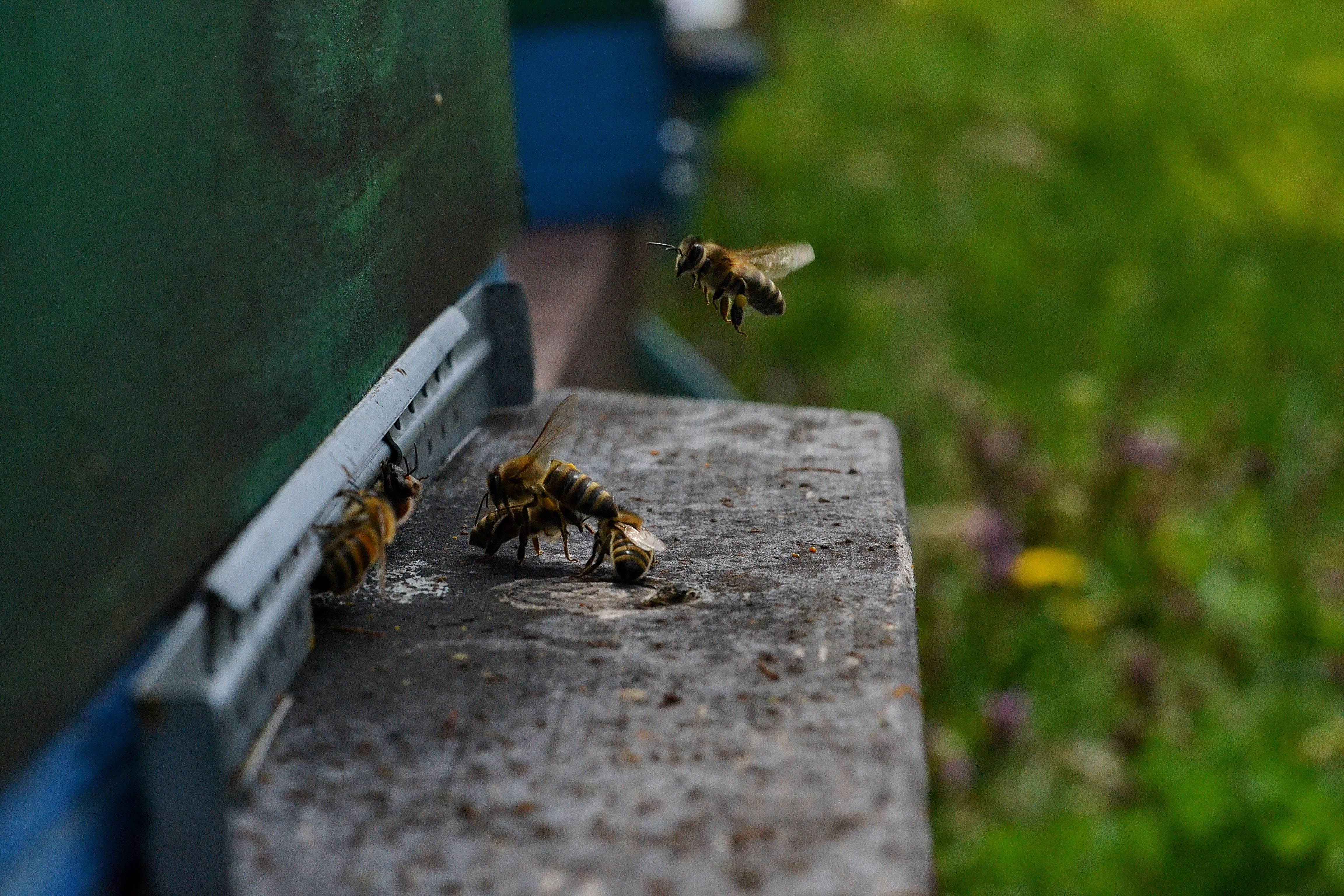
Our Bees Live the Way
Bees Were Meant To
Our colonies live in natural settings on our Willamette Valley property — not industrial apiaries stacked on pallets in a parking lot. They have access to diverse forage year-round, which means healthier colonies, less need for supplemental feeding, and honey that genuinely reflects its origin.
- Year-round diverse forage access
- No artificial supplemental feeding
- Colonies inspected weekly in season
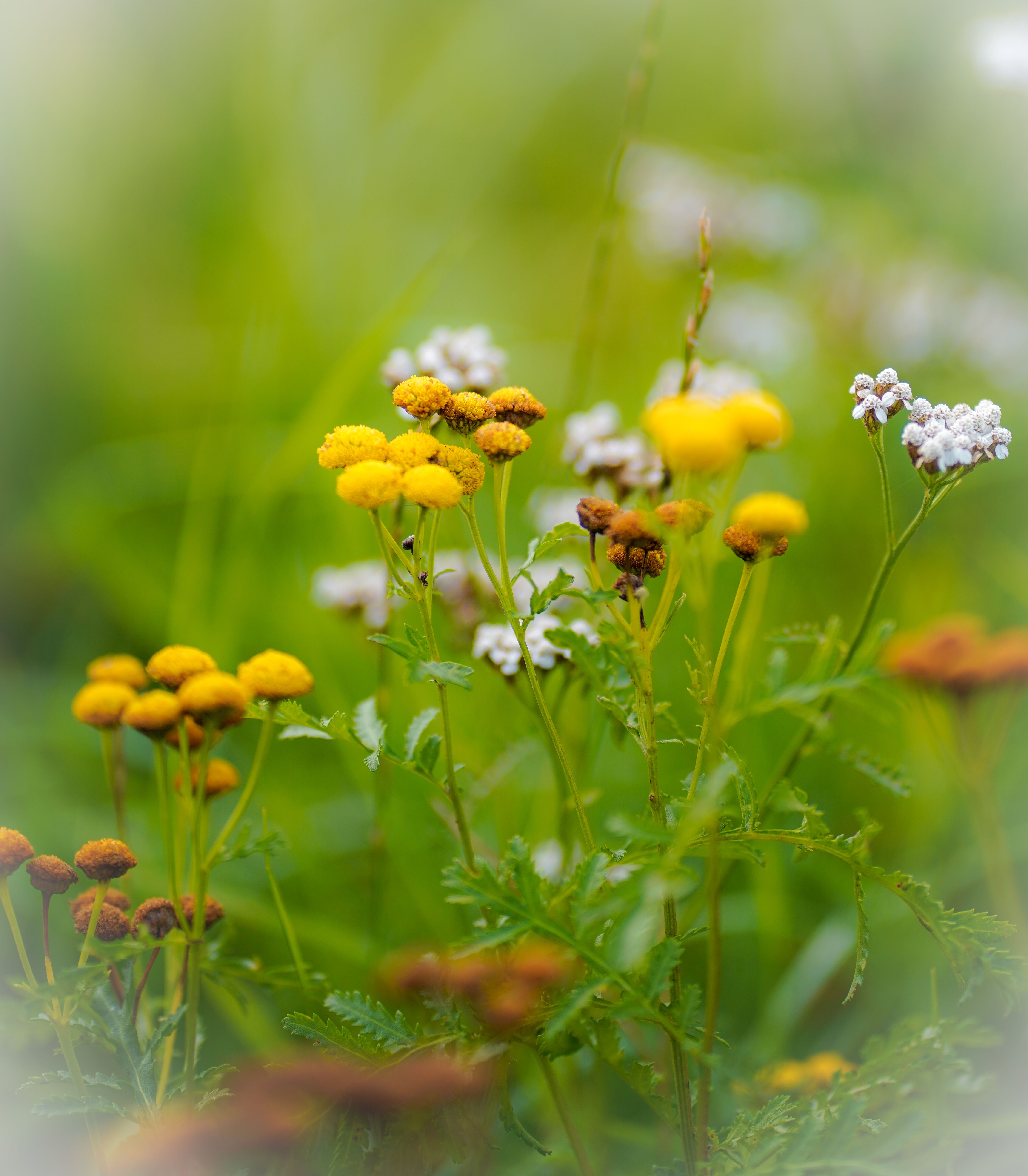
Honey Pairing Guide
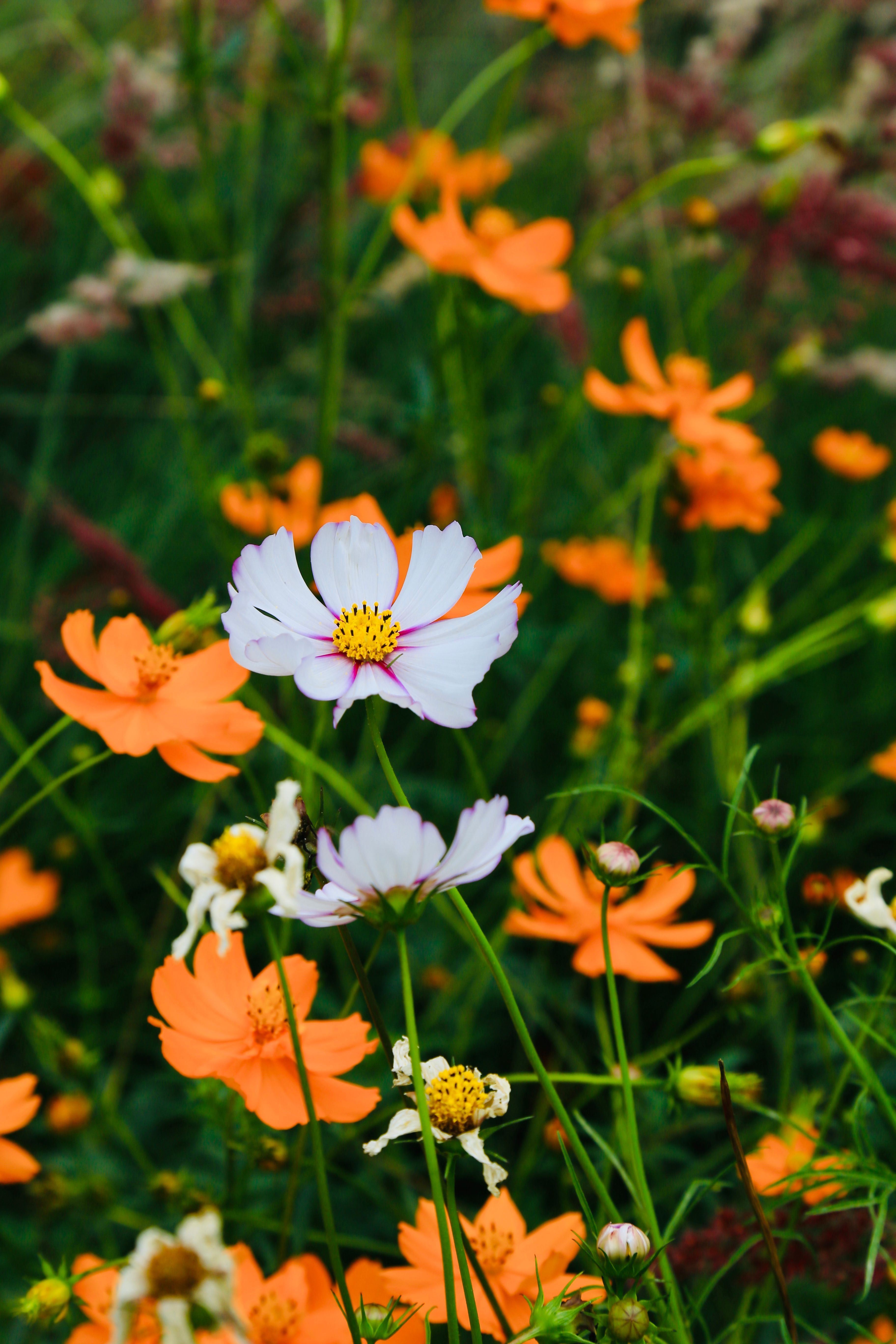
Every Honey Has Its Match
Tap a varietal to explore food, cheese, and cocktail pairings for each honey.
Doug, West City Farm
Our Founder
From Landscape Architecture
to the Hive
Doug spent twenty years in landscape architecture, watching pollinator decline show up more and more in industry reports — vanishing native bee species, and just how much of the food system quietly depends on them. That worry is what led him to buy fifteen acres in the southern Willamette Valley and order three hives from a local beekeeping club in 2016 — not a lifestyle purchase, but a direct response to how endangered he'd realized bees actually were.
"The first time you spin your own honey, you get a tear in your eye. These are our bees. We did this. And now it's going to your table."
Today, Queenie-B isn't just a honey brand. It's a mission to prove that real, clean, traceable food is possible — and that the bees who make it all possible deserve our full protection and respect. Every jar is a commitment to both.
What People Say
From Our Customers
Illustrative feedback in the tone of what we hear most — not yet a verified review feed.
Behind the Scenes
See the farm in action
Farm Tour 2024 — Queenie-B Honey
Subscribe & Save
Honey on repeat.
Never run out.
Subscribe for regular deliveries and save up to 15% on every order. Pause or cancel anytime, no questions asked.
Monthly Honey Box
A curated selection of our current honeys, one seasonal farm item, and beekeeper notes — delivered to your door every month.
- 2–3 honey varietals each month
- Seasonal farm extra included
- Free shipping every delivery
- Pause or cancel anytime
Quarterly Sampler Box
A larger tasting box sent four times a year — perfect for the honey enthusiast who likes to explore. Includes limited editions and seasonal specials.
- 4–5 products per box
- Includes limited seasonal releases
- Handwritten card included
- Gift wrapping available
VERIFIED, NOT JUST CLAIMED
Lab-Verified Since 2022
Zero Synthetic Pesticides Since 2017
1,000+ Hive Ceiling, By Choice
Questions
Everything You Want to Know
What makes Queenie-B Honey different from store-bought honey?
Most commercial honey is ultra-filtered and heat-pasteurized to prevent crystallization and extend shelf life — processes that destroy natural enzymes, pollen, and flavor compounds. Queenie-B honey is raw and unfiltered, meaning it goes from comb to jar with only minimal straining to remove wax and debris. It retains its full nutritional profile and its natural flavor complexity. We also use cedar top-bar hives instead of conventional Langstroth boxes, which allows our bees to build comb naturally and results in a fundamentally different product. And every batch is third-party lab tested before it ships.
What is a top-bar cedar hive and why does it matter?
A top-bar hive is a horizontal hive design where bees build comb suspended from bars across the top of the box — the way they would naturally build in a hollow log or tree cavity. This is fundamentally different from the stacked-box Langstroth hive design used by 95% of commercial beekeepers, where bees build comb on pre-made plastic or wax foundation. Our hives are lined with aromatic cedar wood, which contains natural terpenes that are inhospitable to varroa mites (the primary pest threatening honeybee health worldwide). The result: healthier bees, zero chemical treatments, and honey that reflects the bees' natural foraging and comb-building behavior.
Is your honey truly raw? What does that mean?
Raw honey is never heated above hive temperature (roughly 95°F) and never micro-filtered, so the natural enzymes, pollen, and propolis stay intact. Most grocery-store honey is pasteurized and ultra-filtered, which extends shelf stability but strips out the things that make raw honey worth seeking out. The lab reports you can access via the QR code on each jar confirm the enzyme activity levels and moisture content that are characteristic of truly raw honey.
What do your lab reports show?
Every batch report from Pacific Northwest Labs covers moisture content, HMF (a heat/age indicator), and a 200+ compound pesticide residue panel, along with checks for adulterants, heavy metals, coliform bacteria, and yeast counts. Every batch must pass all tests before we bottle it. The full methodology and a sample report are on our Lab Reports page, or scan the QR code on any jar to see the specific report for your batch.
Do you ship across the US and Canada?
Orders ship within 2 business days and typically arrive in 3–7 days depending on your location. Orders over $75 ship free anywhere in the lower 48. Currently we ship to all 48 contiguous states — Alaska, Hawaii, and international shipping aren't available yet, since glass jars and honey's weight make it a shipping-cost challenge we're still working through. We use insulated packaging to protect honey in extreme heat, and all glass jars are double-bubble wrapped to survive the journey intact.
What's the difference between the glass and BPA-free plastic packaging?
It's the same honey in both formats — same batch, same lab testing, same purity. Glass is our default and what we recommend for everyday use and gifting — it's fully recyclable and doesn't interact with the honey over time. Our BPA-free plastic containers use food-grade HDPE, with no BPA or BPS. They're shatterproof and squeezable, and exist mainly for travel, lunchboxes, or anywhere glass isn't practical — never our default packaging.
What is buckwheat honey and why is it so dark?
Buckwheat honey comes from a single floral source rather than a mixed valley bloom, which is why it's darker, more mineral, and higher in antioxidant compounds than our wildflower blend. The flavor is bold, almost molasses-like, with mineral and malt undertones — an acquired taste for some as a table honey, but extraordinary in cooking, baking, and cocktails.
How should I store my honey?
Store at room temperature, away from direct sunlight. Honey is naturally shelf-stable and will keep indefinitely when properly sealed. Never refrigerate honey; cold temperatures accelerate crystallization. If your honey turns cloudy or solid, that's crystallization — a natural process for raw, unfiltered honey, especially wildflower and clover varietals, and it doesn't mean your honey has gone bad. Set the jar in a warm water bath for 10–15 minutes and it will return to liquid. Don't microwave it, as hot spots can destroy enzymes.
Can I visit the farm?
We host limited farm visits during bloom season. Space is small since this is a working farm, not a tourist stop — these are announced via our newsletter and Instagram before tickets go on sale, and they tend to sell out quickly. If you're interested in a private tour or want to discuss hosting a larger group or event at the farm, reach out through our contact page and we'll do our best to accommodate.
Do you offer wholesale pricing for restaurants and retailers?
Yes — we offer three tiers from retail to high-volume food service, for restaurants, specialty food stores, and gourmet retailers who share our commitment to quality and transparency. We provide co-branded options for restaurant accounts and can discuss custom private-label runs for larger orders. Visit our Wholesale page to submit an inquiry and we'll be in touch within 2 business days.
Instagram
From the Hive to Your Feed